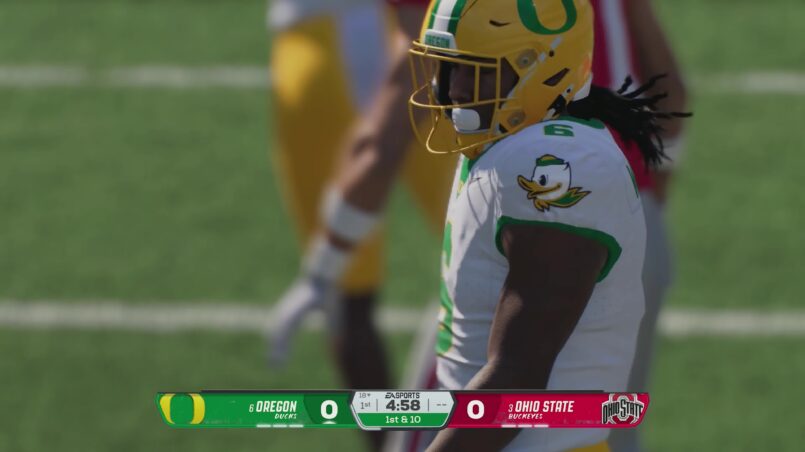
College Football 27 introduces one of the most transformative dynasty mode systems the series has ever seen: a fully simulated Name, Image, and Likeness (NIL) economy. This system fundamentally changes recruiting, roster retention, and transfer portal dynamics by tying every player’s value to evolving financial expectations rather than static ratings or simple scholarship offers.
For players who also engage with the in-game economy, resources like College Football 27 Coins will naturally become part of broader roster-building strategies, especially when managing long-term dynasty commitments and competitive online leagues.
NIL Expectations Are Now the Core of Recruiting
At the heart of College Football 27’s dynasty overhaul is a simple but powerful idea: every player now has an “expected NIL value.”
This value is not universal. It fluctuates based on:
- School prestige
- Player star rating
- Position value (QB and premium positions demand more)
- Dealbreakers and motivations
- Brand exposure preferences
- Coaching and program perks
A 5-star quarterback recruiting battle between a powerhouse program and a smaller school is no longer just about ratings or depth charts. The smaller program may need to offer significantly higher NIL compensation just to stay competitive, reflecting real-world recruiting economics.
Dynamic Expectations That Grow Over Time
One of the most important changes is that NIL expectations are no longer fixed.
A player can:
- Increase their NIL demand after a breakout season
- Request more money after awards or improved overall rating
- Adjust expectations based on team success or role
- Threaten transfer portal entry if underpaid
This creates a living contract system. A freshman might accept a modest deal, but by junior year, a star performer could demand exponentially more.
This is where dynasty budgeting becomes a long-term strategy rather than a one-time recruiting decision.
The Risk-Reward System of Overpaying Early
College Football 27 introduces a strategic dilemma: overpaying early can secure elite recruits—but it can also destabilize your entire roster budget later.
For example:
- Offering 200% of a recruit’s baseline NIL may instantly win recruiting battles
- But that same player’s future expectations will scale from that inflated starting point
- By the time they become a star, they may demand unsustainable compensation
This creates a “compound contract effect” where early decisions directly shape future salary pressure across your roster.
Transfer Portal Becomes a Financial Battlefield
The transfer portal is now heavily NIL-driven. Unlike high school recruiting, where relationships and scouting still matter, transfers are much more transactional:
- Players already know their value
- Playing time and money dominate decisions
- Negotiation windows are shorter and more aggressive
If your program cannot match evolving expectations, even elite starters can leave mid-dynasty.
Roster Management and Budget Compression
Another major system change is roster-wide NIL management. Every player now has:
- Expected NIL value
- Current NIL compensation
- Satisfaction and retention risk
This forces constant roster optimization. Coaches must decide:
- Who is worth extending financially
- Who should be replaced by younger, cheaper talent
- Where to allocate limited NIL resources (QB vs OL vs depth)
A single superstar quarterback can now consume a disproportionate share of your NIL budget, forcing sacrifices elsewhere.
Recruiting Strategy Shift: Scouting First, Spending Second
Unlike previous entries, College Football 27 separates scouting from recruitment more strictly:
- Preseason is dedicated entirely to scouting
- Scholarships now include NIL considerations immediately
- Blind mass-offering is no longer viable
This makes early-season evaluation more important than ever. Misreading a recruit’s value can result in long-term budget inefficiency that takes multiple seasons to correct.
Weekly NIL Adjustments and Influence System
Recruiting battles now evolve week-to-week based on NIL adjustments:
- Meeting expected NIL boosts interest gain
- Underpaying reduces weekly influence
- Overpaying increases interest—but raises long-term cost floor
There is even a cap on weekly influence bonuses for aggressive bidding, creating diminishing returns on excessive spending.
This ensures NIL strategy is not just about winning recruits—but winning them efficiently.
Long-Term Dynasty Implications
The NIL system effectively turns dynasty mode into a financial simulation layered over traditional football management. Success now depends on:
- Budget forecasting across multiple seasons
- Strategic overpayment only when necessary
- Retention planning for rising stars
- Balanced roster investment instead of superstar stacking
For players who also track in-game progression and resource optimization, even external systems like Buy CFB 27 Coins often get discussed in the context of accelerating roster experimentation and dynasty rebuilding strategies.
Conclusion
College Football 27’s NIL system is not just a feature—it is a structural redesign of dynasty mode itself. Recruiting is no longer about simply identifying talent, but about predicting financial trajectories and managing long-term roster economics.
Programs that adapt early will gain a massive advantage. Those that treat NIL like a traditional scholarship system will quickly find themselves outpaced, outbid, and out-recruited in an increasingly complex collegiate football ecosystem.