PoE 3.29 Voyage Board Profit Guide

Path of Exile 3.29’s Curse of the Allflame mechanic may appear simple at first, but the true depth comes from mastering the Voyage Board. Individual Chart runs are only the foundation. The real power comes from combining nine Charts into a carefully planned 3×3 board where every placement decision can influence the final rewards.

For players who want to maximize efficiency, understanding the board system is more important than simply clearing encounters quickly. A smart Voyage strategy can create a consistent source of valuable rewards and help generate more POE currency throughout the league.

The Voyage Board Is The Real Endgame

The biggest mistake many players make is treating Charts as isolated missions. While early Chart runs are useful for learning the mechanic and collecting resources, the long-term value comes from building optimized Voyages.

The 3×3 board turns preparation into a major part of gameplay. Chart placement affects nearby modifiers, while Corruption Currents create different reward paths across the board.

Successful players focus on:

  • Creating strong adjacency combinations.
  • Protecting valuable reward modifiers.
  • Balancing risk with potential profit.
  • Using Lanterns at the correct moment.

Instead of relying only on character power, the Voyage system rewards players who understand patterns and plan ahead.

How To Build A Profitable Voyage

A profitable Voyage is not created randomly. Players need to identify what type of rewards they want and design the board around that goal.

For example, players focusing on valuable drops may prioritize Quantity and Rarity combinations, while others may prefer crafting materials or league-specific rewards.

A basic strategy can be divided into stages:

StageGoalStrategy
Early ChartsLearn mechanicsComplete safe runs and collect resources
Board SetupBuild synergyPlace matching modifiers together
Advanced VoyagesMaximize rewardsCreate optimized chains and manage risks
Endgame FarmingRepeat profitable layoutsRefine successful patterns

This approach allows players to gradually improve instead of wasting resources trying to create perfect setups immediately.

Understanding Corruption Currents And Lantern Timing

Corruption Currents are one of the most important parts of advanced Voyage planning. Their direction can influence how rewards develop across the board, making placement decisions extremely valuable.

Experienced players do not simply place the highest-value Charts anywhere. They consider how each position affects the entire layout.

Allflame Lanterns also play an important role. They are not just emergency tools; they are strategic resources that allow players to survive dangerous moments and continue pushing deeper into the Voyage.

Good Lantern usage means:

  • Saving them for high-pressure encounters.
  • Protecting valuable progress.
  • Avoiding unnecessary resource waste.
  • Creating opportunities to finish difficult sections.

The Crafting Loop Creates Long-Term Value

Dead Man’s Sulphur and Ducats give the mechanic a complete economic cycle. Players collect resources through Voyages, use them for crafting opportunities, and reinvest profits into stronger strategies.

This creates a system where consistent engagement is rewarded. Unlike some mechanics that only provide occasional excitement, Voyage Board progression improves as players gain knowledge.

Valuable PoE Items also become an important part of this system because optimized crafting and trading decisions can significantly increase overall profit.

Why Voyage Board Scales Better Than Expected

At first, the Voyage system can feel slow because players need time to understand the rules. However, that learning investment becomes valuable later.

The mechanic rewards preparation, decision-making, and experience rather than simple speed. Players who understand board patterns will naturally outperform those who treat every Voyage as a random encounter.

Curse of the Allflame’s biggest strength is that it creates a reason to think before acting. The best rewards do not come from rushing faster; they come from building smarter.

For many players, the Voyage Board may start as a confusing system, but with enough practice it transforms into one of the most rewarding farming mechanics in Path of Exile 3.29. It is not just another activity to complete—it is a puzzle that turns planning into profit.
Skull and Bones Fall of Lanitra Investigation Guide

The Fall of Lanitra is one of the investigation quests in Skull and Bones that reveals a hidden betrayal involving John Scurlock, one of the most important figures in the pirate world. Unlike standard contracts, investigations require players to explore locations, collect clues, and uncover the truth behind mysterious events.

Completing the Fall of Lanitra investigation rewards players with exclusive cosmetic items, including Scurlock’s Jacket and the Unbreakable Focus ship cosmetic. This guide explains every step needed to complete the investigation quickly.

Fall of Lanitra Investigation Overview

The investigation begins at Lanitra Outpost and follows a trail that leads from a hidden newspaper clue to a French settlement near Sainte-Anne. Players must discover evidence of a secret meeting, investigate Guerande, and finally confront John Scurlock directly.

Investigation StepLocationObjective
Find the first clueLanitra OutpostCollect the newspaper under the pillar
Investigate the betrayalGuerande settlementTrigger the plunder milestone
Confront ScurlockSainte-Anne pirate denDiscuss the betrayal
Claim rewardsCargo/Investigation tabObtain cosmetics

Step 1: Find the Newspaper Clue at Lanitra Outpost

To begin the investigation, sail to Lanitra Outpost, located on the northern side of the Sea People’s territory.

After arriving:

  1. Enter the outpost area.
  2. Follow the path down the rope to reach the lower camp.
  3. Turn left after descending.
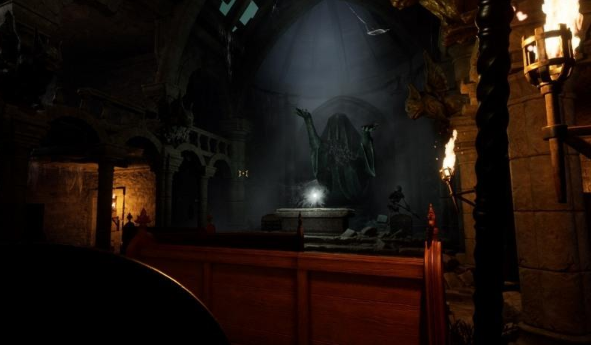
  4. Look for a newspaper lying on the ground beneath a pillar.
  5. The clue can be found next to a sword.

Interact with the newspaper to reveal information about a suspected traitor who met with the French Governor. This clue updates the investigation and directs you toward the next location.

Step 2: Investigate Guerande Settlement

After reading the newspaper, your next destination is Guerande, a French company settlement located south of Sainte-Anne.

Travel to Guerande and begin a plunder event. You do not need to completely destroy the settlement or finish the entire plunder sequence.

The investigation progresses once you:

  • Start the plunder activity.
  • Reach the first milestone chest.
  • Collect the note that appears after reaching the milestone.

This note provides additional evidence about Scurlock’s involvement and updates the mission objective.

During your journey, having enough resources and currency can make exploration and combat much smoother. Many players choose to prepare by collecting Skull and Bones Items that improve ship performance, combat efficiency, and survival during dangerous encounters.

Step 3: Confront John Scurlock in Sainte-Anne

Once the Guerande investigation is complete, return to the pirate haven of Sainte-Anne.

Follow these steps:

  1. Enter the pirate den.
  2. Go to John Scurlock’s office.
  3. Speak with Scurlock.
  4. Choose the dialogue option that confronts him about the betrayal.

The conversation reveals the truth behind the Fall of Lanitra investigation. After the dialogue finishes, the investigation is considered complete.

Step 4: Claim Your Fall of Lanitra Rewards

After completing the conversation with Scurlock:

  1. Open your Investigation/Knowledge tab.
  2. Close the completed investigation.
  3. Open your cargo inventory.
  4. Claim your rewards.

The rewards include:

RewardType
Scurlock’s JacketCharacter cosmetic
Unbreakable FocusShip cosmetic

These exclusive cosmetics allow players to customize their pirate captain and ship with items connected to one of Skull and Bones’ major storylines.

Tips for Completing Fall of Lanitra Faster

Prepare Before Sailing

Before heading into enemy territory, make sure your ship has enough supplies. Guerande is a hostile area, and unexpected encounters can interrupt your investigation progress.

Use Fast Travel When Possible

If you have already unlocked nearby locations, fast travel can significantly reduce the time needed between Lanitra, Guerande, and Sainte-Anne.

Upgrade Your Ship for Safer Exploration

While the investigation itself is not extremely difficult, stronger ships make plundering settlements and surviving attacks much easier. Players looking to speed up progression may consider preparing with additional resources, including Skull and Bones Items for sale, to reduce the time spent gathering materials manually.

Why Complete the Fall of Lanitra Investigation?

Investigations in Skull and Bones provide more than just rewards. They expand the game’s world-building by revealing hidden relationships, betrayals, and stories behind major characters.

The Fall of Lanitra investigation is especially valuable because it gives players more insight into John Scurlock’s role in the pirate world while providing unique cosmetic rewards that cannot be obtained through regular activities.

Explore More Hidden Stories in Skull and Bones

The Fall of Lanitra quest is a good example of how Skull and Bones encourages exploration beyond traditional contracts and combat. By following clues, investigating locations, and uncovering secrets, players can experience more of the game’s narrative while collecting exclusive customization rewards.

Whether you are completing investigations, upgrading ships, or preparing for tougher naval battles, understanding each quest route can help you progress more efficiently across the dangerous waters of the Indian Ocean.

Dark and Darker Perfect Block Secrets

The combat system in Dark and Darker has become much more technical after the recent weapon blocking adjustments. Winning a melee fight is no longer only about damage numbers or better equipment. For players who master defensive timing, a single successful Perfect Block (Riposte) can completely change the outcome of a duel.

Whether you are using a Longsword or Shield, understanding attack animations, impact timing, and reaction windows is the difference between randomly blocking and consistently punishing opponents.

Players who practice these mechanics can improve their survival rate without constantly relying on expensive gear or large amounts of Dark and Darker Gold.

A common mistake is pressing block as soon as an enemy starts attacking.

This usually fails because most attacks have three important stages:

Attack StageWhat HappensPlayer Response
Startup FrameEnemy begins the attack animationWatch movement and weapon direction
Impact FrameWeapon reaches your hitboxActivate block at the correct timing
Recovery FrameEnemy finishes the attackUse Riposte opportunity

The goal is not blocking early. The goal is creating contact between the enemy weapon and your guard at the exact moment when the block system recognizes a successful defense.

Longsword Riposte: Turning Defense Into Damage

The Longsword is one of the best weapons for players who enjoy technical combat.

A successful Riposte requires confidence and patience. Many beginners hold block too early, allowing opponents to delay their attack or change timing.

The better method is reading the animation.

Watch the opponent’s shoulder movement, weapon position, and attack direction. Different weapons have different swing speeds, so the timing cannot be identical for every enemy.

Against slower weapons, wait longer before committing.

Against fast weapons, focus more on prediction rather than reaction.

Shield Blocking: Control the Fight Tempo

Shield users have a different advantage. Instead of looking only for a counterattack, the goal is controlling space.

A successful shield block can interrupt enemy pressure and create opportunities for repositioning.

Listen carefully during combat. The sound of a successful block is different from a normal hit. Visual effects also provide information, especially the impact sparks that appear when your guard connects correctly.

These signals help players build muscle memory.

Training Your Timing Through Repetition

Perfect Block is not something players master by reading guides alone. It requires repeated practice against different attack patterns.

Focus on one weapon type at a time.

Learn its swing speed.

Practice blocking only at the final moment.

Repeat until the timing becomes automatic.

The goal is creating a natural reaction instead of consciously calculating every attack.

Gear Preparation and Mechanical Skill

While skill is the foundation of melee combat, having the right equipment still matters. Players who want to test different builds and practice advanced setups often prepare multiple loadouts.

Managing resources efficiently allows more training opportunities, and some players choose to use Dark and Darker Gold for sale options to quickly create practice gear without slowing down progression.

Perfect Blocking is one of the most rewarding mechanics in Dark and Darker. A player who understands timing can defeat stronger opponents by making better decisions rather than simply having better equipment.

Master the attack frames, learn the sound cues, and train your reactions until blocking becomes instinct.

In Season 10, the best fighters are not always the ones who attack first. They are the ones who know exactly when to defend — and when to strike back.

Diablo 4 Season 14 Off Meta Build Showcase

In Diablo 4 Season 14, it is easy to fall into the trap of following the same tier lists, copying the same meta builds, and watching every Barbarian spin through the same Whirlwind loop. While those builds are effective, they are also everywhere. If you are starting to feel like every dungeon looks the same, it might be time to step away from the cookie-cutter meta and explore the more creative side of Sanctuary.

This season actually rewards experimentation more than most players realize. With flexible scaling systems and strong synergy between skills and Diablo 4 items, off-meta builds can still clear endgame content if properly optimized. Some players even experiment with targeted gearing or buy Diablo 4 items approaches to quickly complete unusual setups and test new mechanics faster.

Below are three creative builds that are shaking up Season 14 in unexpected ways.

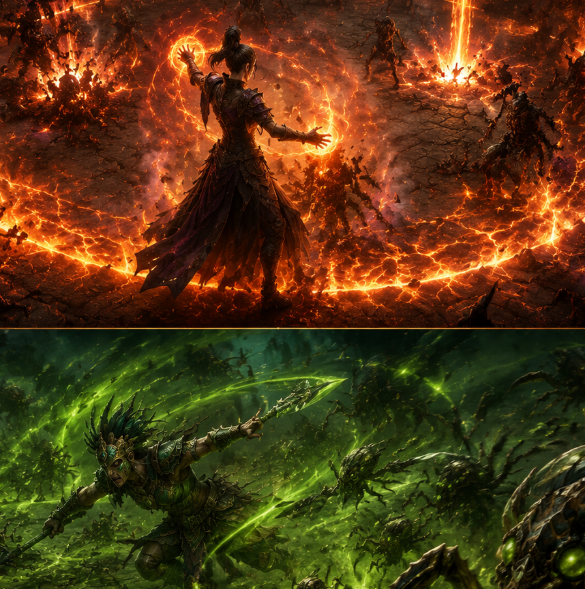
Build 1: Firewall Sorcerer (Burn Everything Slowly)

The Firewall Sorcerer is one of the most visually satisfying off-meta builds in the game right now. Instead of focusing on burst damage, it leans into massive area denial and damage-over-time scaling.

Once set up correctly, entire screens become covered in burning zones that continuously tick enemies down. The beauty of this build is its safety—players can control space while enemies melt before ever reaching melee range.

Key strengths include:

Extremely safe ranged playstyle
Strong scaling with DoT multipliers
High visual clarity and screen control

It may not be the fastest burst build, but it offers one of the most relaxing and consistent farming experiences in the game.

Build 2: Pestilence Swarm Spiritborn (Green Screen Chaos)

If Firewall Sorcerer is about control, Pestilence Swarm Spiritborn is about chaos.

This build focuses on ultra-fast mobility combined with poison-based swarm mechanics that turn the entire battlefield into a green blur of damage. You are constantly moving, constantly applying pressure, and rarely standing still.

Key strengths include:

Extremely high mobility and tempo
Massive screen-wide poison application
Strong synergy with fast-clear farming routes

When fully optimized with the right Diablo 4 items, this build becomes a nonstop movement engine that clears entire zones without slowing down.

Build 3: Chain Reaction Necromancer (Bonus Mention)

While not as flashy as the other two, this Necromancer variant focuses on cascading corpse explosions and chain reactions that spread across entire packs. It rewards timing and positioning rather than brute force, and feels incredibly satisfying when everything detonates at once.

Meta builds will always exist in Diablo 4 Season 14, but they are not the only way to play. Some of the most enjoyable experiences come from stepping outside the standard tier lists and building something unexpected.

Whether you are experimenting with DoT-heavy Sorcerer setups, mobility-focused Spiritborn builds, or unconventional Necromancer chains, the game rewards creativity more than ever.

College Football 27 Dynasty Mode: NIL System Completely Rewrites Recruiting Strategy

College Football 27 introduces one of the most transformative dynasty mode systems the series has ever seen: a fully simulated Name, Image, and Likeness (NIL) economy. This system fundamentally changes recruiting, roster retention, and transfer portal dynamics by tying every player’s value to evolving financial expectations rather than static ratings or simple scholarship offers.

For players who also engage with the in-game economy, resources like College Football 27 Coins will naturally become part of broader roster-building strategies, especially when managing long-term dynasty commitments and competitive online leagues.

NIL Expectations Are Now the Core of Recruiting

At the heart of College Football 27’s dynasty overhaul is a simple but powerful idea: every player now has an “expected NIL value.”

This value is not universal. It fluctuates based on:

  • School prestige
  • Player star rating
  • Position value (QB and premium positions demand more)
  • Dealbreakers and motivations
  • Brand exposure preferences
  • Coaching and program perks

A 5-star quarterback recruiting battle between a powerhouse program and a smaller school is no longer just about ratings or depth charts. The smaller program may need to offer significantly higher NIL compensation just to stay competitive, reflecting real-world recruiting economics.

Dynamic Expectations That Grow Over Time

One of the most important changes is that NIL expectations are no longer fixed.

A player can:

  • Increase their NIL demand after a breakout season
  • Request more money after awards or improved overall rating
  • Adjust expectations based on team success or role
  • Threaten transfer portal entry if underpaid

This creates a living contract system. A freshman might accept a modest deal, but by junior year, a star performer could demand exponentially more.

This is where dynasty budgeting becomes a long-term strategy rather than a one-time recruiting decision.

The Risk-Reward System of Overpaying Early

College Football 27 introduces a strategic dilemma: overpaying early can secure elite recruits—but it can also destabilize your entire roster budget later.

For example:

  • Offering 200% of a recruit’s baseline NIL may instantly win recruiting battles
  • But that same player’s future expectations will scale from that inflated starting point
  • By the time they become a star, they may demand unsustainable compensation

This creates a “compound contract effect” where early decisions directly shape future salary pressure across your roster.

Transfer Portal Becomes a Financial Battlefield

The transfer portal is now heavily NIL-driven. Unlike high school recruiting, where relationships and scouting still matter, transfers are much more transactional:

  • Players already know their value
  • Playing time and money dominate decisions
  • Negotiation windows are shorter and more aggressive

If your program cannot match evolving expectations, even elite starters can leave mid-dynasty.

Roster Management and Budget Compression

Another major system change is roster-wide NIL management. Every player now has:

  • Expected NIL value
  • Current NIL compensation
  • Satisfaction and retention risk

This forces constant roster optimization. Coaches must decide:

  • Who is worth extending financially
  • Who should be replaced by younger, cheaper talent
  • Where to allocate limited NIL resources (QB vs OL vs depth)

A single superstar quarterback can now consume a disproportionate share of your NIL budget, forcing sacrifices elsewhere.

Recruiting Strategy Shift: Scouting First, Spending Second

Unlike previous entries, College Football 27 separates scouting from recruitment more strictly:

  • Preseason is dedicated entirely to scouting
  • Scholarships now include NIL considerations immediately
  • Blind mass-offering is no longer viable

This makes early-season evaluation more important than ever. Misreading a recruit’s value can result in long-term budget inefficiency that takes multiple seasons to correct.

Weekly NIL Adjustments and Influence System

Recruiting battles now evolve week-to-week based on NIL adjustments:

  • Meeting expected NIL boosts interest gain
  • Underpaying reduces weekly influence
  • Overpaying increases interest—but raises long-term cost floor

There is even a cap on weekly influence bonuses for aggressive bidding, creating diminishing returns on excessive spending.

This ensures NIL strategy is not just about winning recruits—but winning them efficiently.

Long-Term Dynasty Implications

The NIL system effectively turns dynasty mode into a financial simulation layered over traditional football management. Success now depends on:

  • Budget forecasting across multiple seasons
  • Strategic overpayment only when necessary
  • Retention planning for rising stars
  • Balanced roster investment instead of superstar stacking

For players who also track in-game progression and resource optimization, even external systems like Buy CFB 27 Coins often get discussed in the context of accelerating roster experimentation and dynasty rebuilding strategies.

Conclusion

College Football 27’s NIL system is not just a feature—it is a structural redesign of dynasty mode itself. Recruiting is no longer about simply identifying talent, but about predicting financial trajectories and managing long-term roster economics.

Programs that adapt early will gain a massive advantage. Those that treat NIL like a traditional scholarship system will quickly find themselves outpaced, outbid, and out-recruited in an increasingly complex collegiate football ecosystem.